By Gagliardo Group
Deciding what to fix, update, or leave alone before putting your home on the market is one of the most consequential decisions you'll make in the selling process. Spend too little, and buyers may question the home's condition or negotiate you down. Spend too much on the wrong projects, however, and you'll sink money into improvements that never make it back to you at closing. The difference between a strategic pre-listing investment and an expensive mistake often comes down to understanding how buyers actually think.
The goal isn't to renovate your way to a higher price; it's to remove obstacles, sharpen first impressions, and make it easy for buyers to say yes. This guide will walk you through the upgrades that actually move the needle throughout the greater Chicago area, the ones that rarely pay off, and how to think through the decision before you spend a dollar.
Key Takeaways
- Certain updates, particularly to kitchens, bathrooms, and curb appeal, consistently help homes sell faster and closer to asking price.
- Major renovations like full kitchen remodels or room additions almost never return their full cost in a sale.
- Neutral, clean, and well-maintained will outperform trendy or personalized finishes with most buyers.
- Cosmetic improvements and repairs that address visible wear are usually the highest-return moves before listing.
- Understanding which updates buyers in this specific market prioritize helps you spend strategically rather than speculatively.
The Upgrades That Are Actually Worth It
When it comes to pre-listing improvements, the projects that deliver the best return share a common thread: they help buyers feel confident about the home. Buyers are not just purchasing square footage; they are buying into a vision of what living there looks like. That means anything reducing friction, signaling care, or improving the initial impression has a strong chance of paying off.
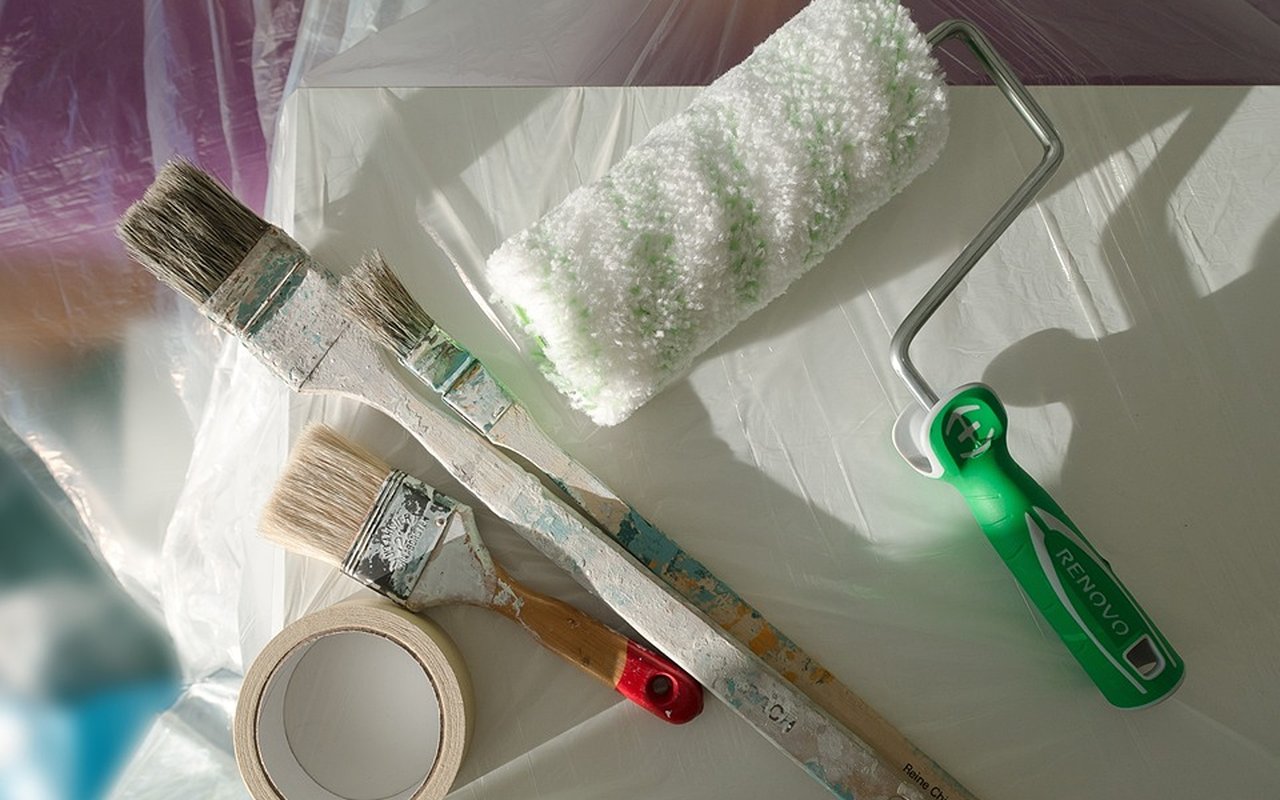
Fresh interior paint is one of the most reliable pre-listing investments you can make. A neutral, contemporary palette creates a cohesive look throughout the home, makes rooms feel larger, and signals to buyers that the property has been maintained. If your walls are still holding onto colors from a decade ago, even a buyer who loves the bones of your home may hesitate. Paint is inexpensive relative to the lift it provides.
Bathroom refreshes, short of a full gut renovation, can also move the needle meaningfully. Replacing dated light fixtures, swapping out hardware, re-caulking the tub and shower, and updating mirrors are all low-cost changes that make a bathroom feel intentional rather than tired. Buyers in the greater Chicago market are often comparing multiple homes in a similar price range, and a bathroom that feels clean and current gives yours an advantage.
High-Return Pre-Listing Updates to Consider
- Replacing worn or stained carpeting, especially in main living areas and bedrooms.
- Updating the kitchen cabinet hardware and replacing outdated faucets for a modernized look without a full remodel.
- Pressure washing the driveway, walkways, and exterior surfaces to sharpen curb appeal.
- Refreshing the landscaping with seasonal plantings, mulch, and edging along the front of the home.
- Replacing dated light fixtures throughout the main living areas and entry.
- Repairing any visible damage, including cracked tile, sticky doors, or damaged trim, before buyers encounter it during showings.
What Buyers Are Really Looking For
The greater Chicago area, including River Forest and Oak Park, attracts buyers who value character, quality, and convenience. Many are coming from Chicago or other competitive markets and are drawn to the combination of mature neighborhoods and access to the Metra and CTA. Understanding their priorities helps you focus your pre-listing dollars on what actually matters to this specific pool of buyers.
Buyers here tend to be practical about condition. A home that has clearly been maintained, even if it has not been recently renovated, will often perform better than one that shows signs of deferred upkeep. Functional systems, such as the HVAC, roof, and plumbing, carry significant weight. If your home has older mechanicals in place, getting a pre-inspection and addressing flagged items upfront can prevent deals from unraveling after an offer comes in.
Curb appeal remains a high priority, and buyers often form opinions before they step inside. A well-kept front yard, a clean entry, and a door that looks freshly painted set the stage for everything that follows. These details cost relatively little but create a meaningful first impression that carries through the rest of the showing.
What Buyers Notice First
- The condition of the front yard and landscaping approaching the home.
- The entry door and exterior hardware, both of which signal the overall level of care in the home.
- Natural light inside; clean windows and open window treatments help buyers visualize the space at its best.
- Kitchen functionality: Even if the finishes are dated, buyers want to see that the layout works and everything is in good repair.
- The overall cleanliness and odor-neutrality of the space, particularly in older homes that may have accumulated lived-in qualities over time.
The Updates You Can Skip
Just as important as knowing where to invest is knowing where to stop. Sellers sometimes over-improve before listing, taking on expensive projects that don't translate into proportional returns at the sale price. Understanding the ceiling for your home's value in the current market is essential before you commit to any major work.
Full kitchen renovations are among the most common over-improvements. Yes, kitchens sell homes, but there's an important distinction between a kitchen that is functional and clean versus one that has just been completely rebuilt. If your home is priced in a range where buyers expect updated finishes, a cosmetic refresh may be all you need. A full remodel, on the other hand, can cost significantly more, and the return on that investment is rarely close to the cost when you're selling rather than staying.
High-end specialty upgrades, such as luxury built-ins, wine storage, or elaborate landscaping features, tend to reflect personal taste more than broad buyer appeal. These projects are rarely viewed as value-adds by buyers who don't share those specific priorities, and they can actually distract from the parts of the home that matter most.
Projects That Rarely Pay Off Before Listing
- Full bathroom additions that push the timeline past your listing target.
- Luxury appliance upgrades in kitchens with outdated cabinetry or countertops.
- High-end landscaping features, such as water features or decorative lighting installations.
- Room additions or structural changes that require permits and extend your pre-listing window.
FAQs
How Much Should I Spend on Updates Before Listing My Oak Park Home?
There is no universal number, but a useful benchmark is targeting projects with a clear, documented return in your price range. Focusing on repairs, fresh paint, and curb appeal often delivers more value per dollar than large renovations. Our team can walk you through comparable sales to identify where your home sits relative to the market and what buyers in that range are expecting.
Do I Need to Remodel My Kitchen Before Selling?
Not necessarily. A full kitchen remodel is rarely required before listing unless the space is genuinely non-functional or notably out of step with the home's price point. Buyers understand that kitchens age, and many prefer to make their own updates after purchase. Focus instead on cleanliness, functionality, and minor cosmetic improvements, such as new hardware or a refreshed backsplash, to help the space show well without a major investment.
Will Updating My Landscaping Before Listing Help My Sale?
Yes, within reason. Basic landscaping work, including mowing, edging, seasonal planting, and cleaning up overgrown areas, can meaningfully improve first impressions and online listing photos. Major landscaping installations, however, rarely add equivalent value at closing. Think of it as tidying and refreshing rather than redesigning.
Make Every Dollar Count Before You List
Selling your home is not about transforming it into something it isn't; it's about helping buyers see what makes it worth buying. The sellers who do best in this market are the ones who spend strategically, prioritize presentation over perfection, and make decisions based on what buyers actually value rather than personal preference.
Our team works with sellers in the greater Chicago area every day, and we know this market's nuances inside and out. From helping you evaluate which updates are worth tackling to staging strategy and pricing, we are here to make sure every decision before listing is the right one. Reach out to us at
Gagliardo Group to get started on a pre-listing plan built specifically for your home and your goals.