By Gagliardo Group
The vintage homes that give Oak Park and River Forest their character were built long before anyone planned for the volume of gear that a modern household carries. Boots and coats pile up by the back door through a long Midwest winter, basements fill with bins no one has opened in years, and attics turn into catch-alls under their sloped rafters. If any of this sounds like your house, you are in good company.
The great news is that these transitional spaces hold enormous potential. With a bit of structure, a mudroom, basement, or attic can carry far more of your household's load while actually looking organized. Below you will find practical, climate-smart ways to reclaim those in-between rooms in homes across the Greater Chicago area.
Key Takeaways
- Mudrooms in older Oak Park and River Forest homes work best with a defined drop zone built to handle snow, slush, and road salt.
- Basement storage in the Greater Chicago area depends on moisture-resistant shelving and a clear zone system that accounts for seasonal humidity.
- Attic storage pays off when you build around knee walls and rafters with labeled, lidded bins for seasonal items.
- Thoughtful organization in these spaces adds everyday functionality and can strengthen your home's appeal when it comes time to sell.
How Do You Organize a Mudroom in an Older Oak Park or River Forest Home?
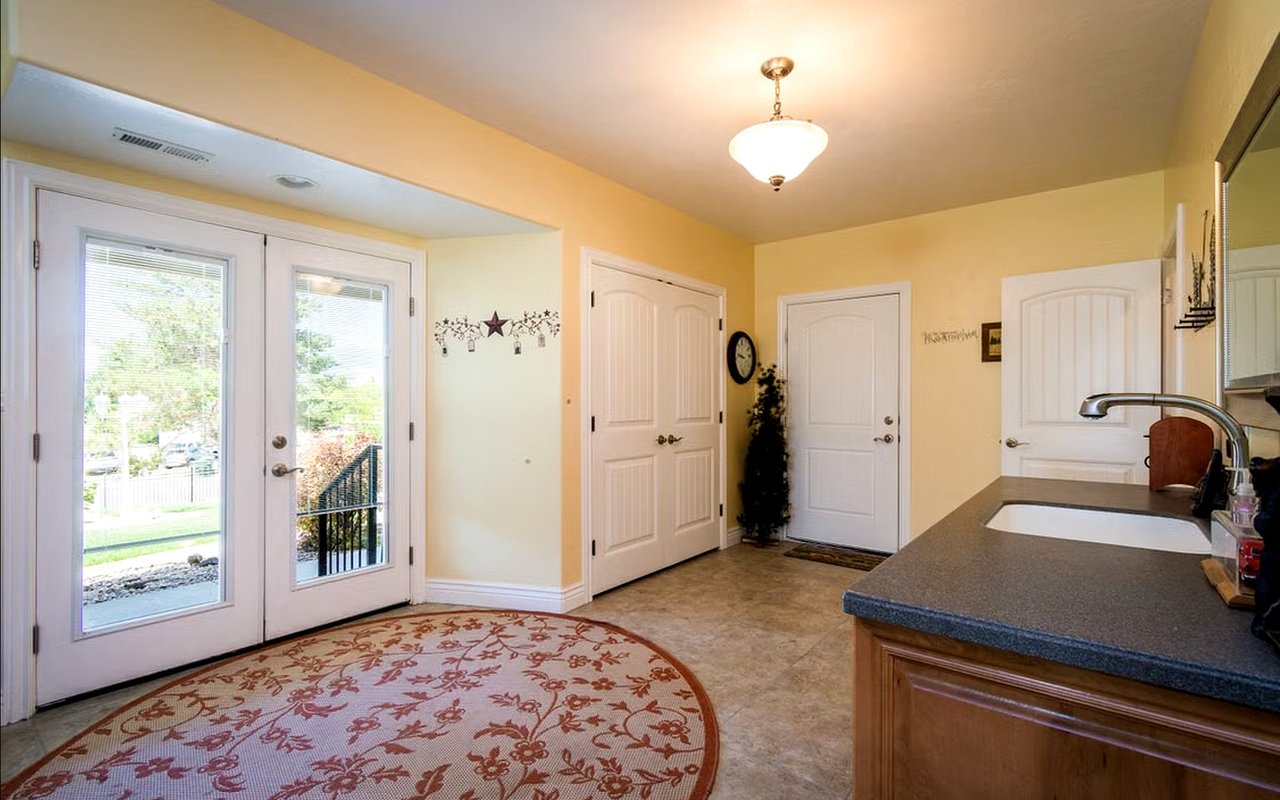
A functional mudroom in an older Oak Park or River Forest home starts with a defined drop zone for boots, coats, and bags that can stand up to a Midwest winter. Many vintage houses here never had a dedicated mudroom, so the back entry or a corner near the kitchen often does double duty. The goal is to carve out a hard-working zone that keeps melting snow and road salt contained in one spot.
Start with surfaces that shrug off moisture, then build up from there. A boot tray, a wall of hooks at different heights, and a bench with hidden storage underneath will handle the bulk of daily traffic. Vertical space is your friend in these narrow entries, so reach up the wall before you spread out across the floor.
What to Prioritize in a Mudroom
- Install hooks so coats and bags land in their place every time.
- Choose a bench or cabinet with closed storage to hide hats, gloves, and seasonal overflow.
- Add a waterproof mat or tray to catch slush and salt during Chicago-area winters.
What Are the Best Storage Solutions for a Greater Chicago Basement?
The best basement storage in a Greater Chicago home pairs moisture-resistant shelving with a clear zone system, since lower levels here face real humidity swings across the seasons. Freestanding metal or heavy-duty plastic shelving keeps boxes off the floor and lets air move around your belongings. Lidded plastic bins protect against dampness far better than cardboard, which tends to break down in a Midwest basement.
Once your shelving is in, divide the space into zones by how often you reach for certain items. Holiday decorations and off-season items can live toward the back, while tools, cleaning supplies, and frequently used gear belong near the stairs. A running dehumidifier keeps humidity in check and protects whatever you store down there.
Set Up a Basement Storage System
- Raise everything off the concrete with shelving or pallets to guard against moisture.
- Store seasonal and sentimental items in sealed, labeled bins that lock out dampness.
- Group belongings into zones so the things you use most stay closest to the stairs.
How Can You Make the Most of Attic Storage?
Attic storage in a River Forest or Oak Park home works best when you build around the knee walls and sloped rafters common in vintage Chicago-area houses, using labeled, lidded bins for seasonal items. These upper spaces rarely offer full standing height, so plan for low, stackable storage that fits under the slope. The area along the knee walls, where the roof meets the floor, is ideal for bins you only reach a few times a year.
Temperature matters up here, too. Attics in the Greater Chicago area swing from hot in July to very cold in January, so skip anything sensitive to extremes, such as candles, electronics, or important documents. Clear, lidded containers let you spot contents at a glance without hauling everything down.
What to Keep in Mind for Attic Storage
- Use low, stackable bins that fit under sloped rafters and along knee walls.
- Label every container on multiple sides so you can identify it from any angle.
- Avoid storing heat- or cold-sensitive items given the attic's seasonal temperature swings.
FAQs
How Do You Keep a Chicago-Area Basement Dry Enough for Storage?
Keeping a Chicago-area basement dry enough for storage comes down to controlling moisture at the source and protecting your belongings. Run a dehumidifier through the humid months, raise everything off the concrete with shelving, and seal items in plastic bins. Addressing any grading or gutter issues outside the home also helps keep water from finding its way in.
What Should You Store in an Attic Versus a Basement in an Older Home?
In an older Greater Chicago home, attics suit lightweight, seasonal items that tolerate temperature swings, while basements handle heavier belongings that need stable, dry conditions. Holiday decorations and off-season clothing work well in a well-insulated attic, and tools, bulk supplies, and sturdy bins are better suited to a climate-controlled basement.
Is a Mudroom Worth Adding When Selling an Oak Park or River Forest Home?
A dedicated mudroom is often worth it when selling an Oak Park or River Forest home, because buyers in the Greater Chicago area value a practical spot to manage winter gear. Even a modest drop zone with hooks, a bench, and closed storage signals that the home is ready for everyday Midwest life, which can make a great impression during showings.
Turning Mudrooms, Basements, and Attics Into Storage Wins Across the Greater Chicago Area
Transitional spaces are some of the most overlooked square footage, yet they carry real weight in how a house lives day to day. A mudroom that tames winter gear, a basement that stays dry and sorted, and an attic that holds the seasonal overflow can transform how your whole home functions, paying you back every day.
They also resonate when it is time to sell, since buyers notice a home where every space has been put to good use. If you are weighing a move or simply want to understand how smart storage affects value in today's market, our team is here to help. Reach out to us at
Gagliardo Group to talk through your real estate goals in the Greater Chicago area.